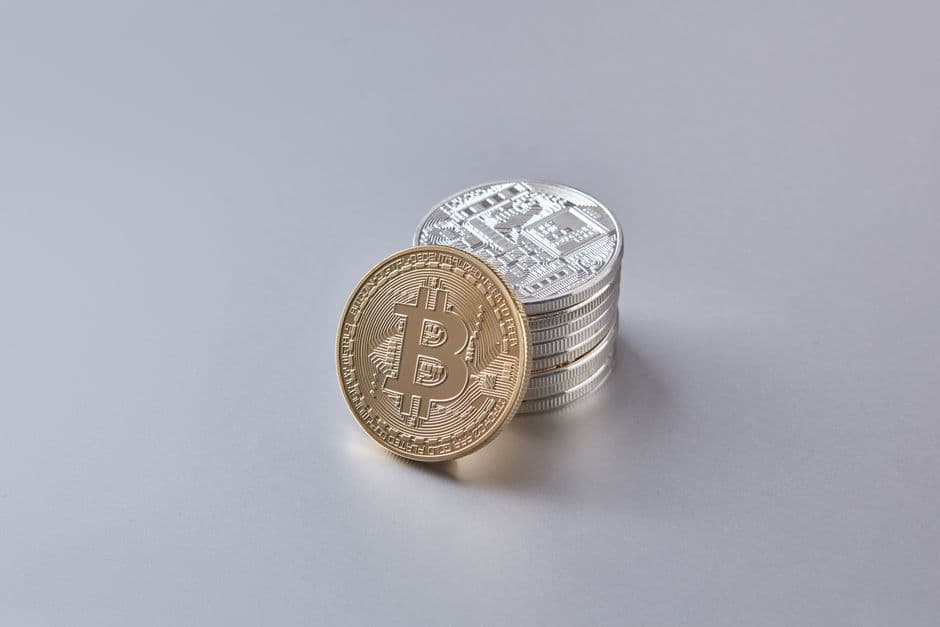

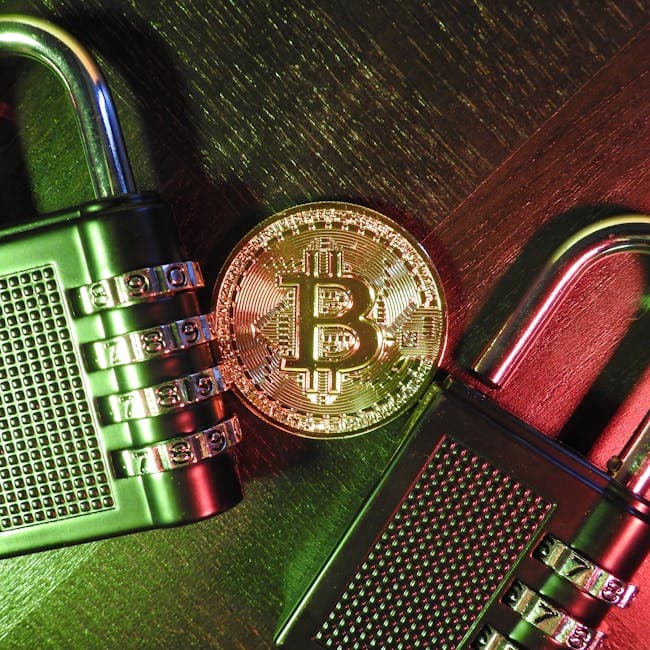
You bought your first Bitcoin or Ethereum, moved it off the exchange, and wrote down your 12 or 24-word seed phrase. Now you’re staring at a piece of paper that controls thousands or even millions of dollars, wondering where to put it. One house fire, one flood, one curious family member, and everything is gone. The question isn’t whether to store your seed phrase safely. It’s how to store crypto seed phrase safely in a way that protects you from both digital hackers and physical disasters, while still letting your family recover your crypto if something happens to you.
Why Most Seed Phrase Storage Methods Fail
Your seed phrase is the master key to your crypto wallet. Anyone who has it controls your funds forever. Most people default to writing it on paper and hiding it somewhere at home, but that approach fails more often than you’d think.
Paper degrades over time. Ink fades. A basement flood or kitchen fire destroys it in seconds. Even if the paper survives, you face human risks: burglary, accidental discovery by a house guest, or simply forgetting where you hid it after two years.
Digital storage is worse. Saving your seed phrase in a cloud note, screenshot, or unencrypted text file exposes you to hackers, data breaches, and malware. Even password managers can be compromised if your master password is weak or reused.
The safest storage method balances three threats:
- Digital theft: Keep your seed phrase offline and away from any internet-connected device.
- Physical destruction: Use fireproof, waterproof, and corrosion-resistant materials.
- Human access: Protect against both unauthorized access (theft, coercion) and total loss (your family can’t find it after you die).
Most guides stop at the first two. The third is where most crypto holders fail, and it’s the one that costs families the most. According to Chainalysis, approximately $3.7 billion in Bitcoin is lost each year due to forgotten or inaccessible seed phrases.
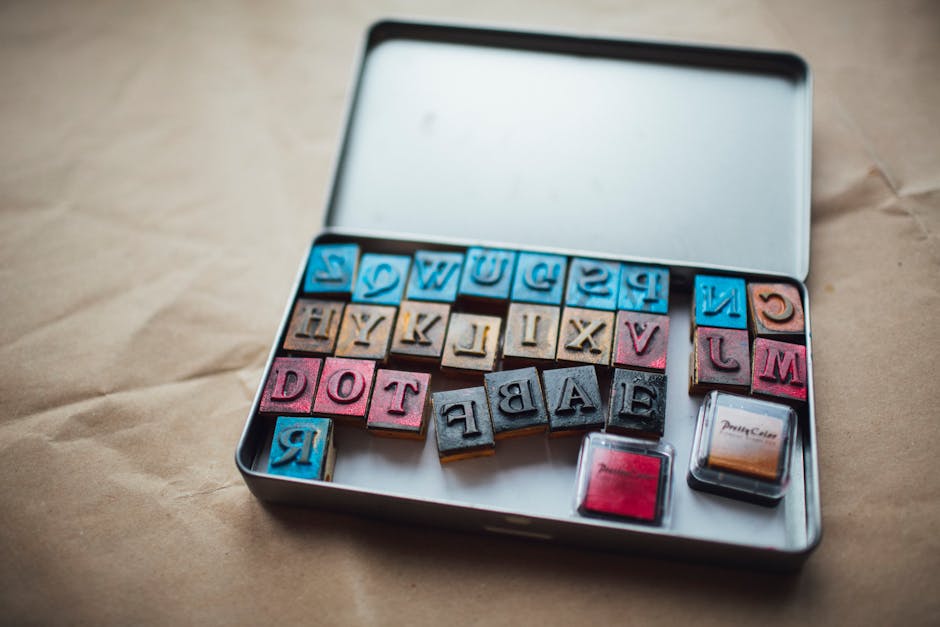
Choose Your Backup Material: Paper vs. Metal
Your seed phrase needs to survive decades, not just months. The material you choose determines whether your backup outlasts you.
Paper is fast and cheap, but fragile. Writing your seed phrase on acid-free paper takes two minutes and costs nothing. Store it in a waterproof bag inside a fireproof safe, and it will survive most household accidents. But paper burns at 451°F, and house fires regularly exceed 1,200°F. Water damage, mold, and simple aging can make ink illegible within 10 years.
Use paper if you plan to upgrade your backup method within a year or if you’re storing a small amount of crypto temporarily. Never use standard notebook paper or regular ink.
Metal backups survive fire, water, and corrosion. Stainless steel plates, titanium capsules, and stamped metal cards withstand temperatures up to 2,500°F and won’t degrade for centuries. Products like Cryptosteel, Billfodl, and Blockplate let you stamp or slide your seed words into a durable metal housing.
Metal backups cost $50 to $150 and take 15 to 30 minutes to create. They’re worth it if you hold more than $10,000 in crypto or if you don’t plan to check your backup location frequently.
One trade-off: metal backups are harder to destroy quickly. If someone threatens you at gunpoint, you can burn or shred paper in seconds. A metal backup requires tools and time to destroy, which could matter in extreme coercion scenarios.
Approximately 20% of all Bitcoin is estimated to be lost or stranded due to lost keys or inaccessible wallets, according to blockchain analytics firm Chainalysis.
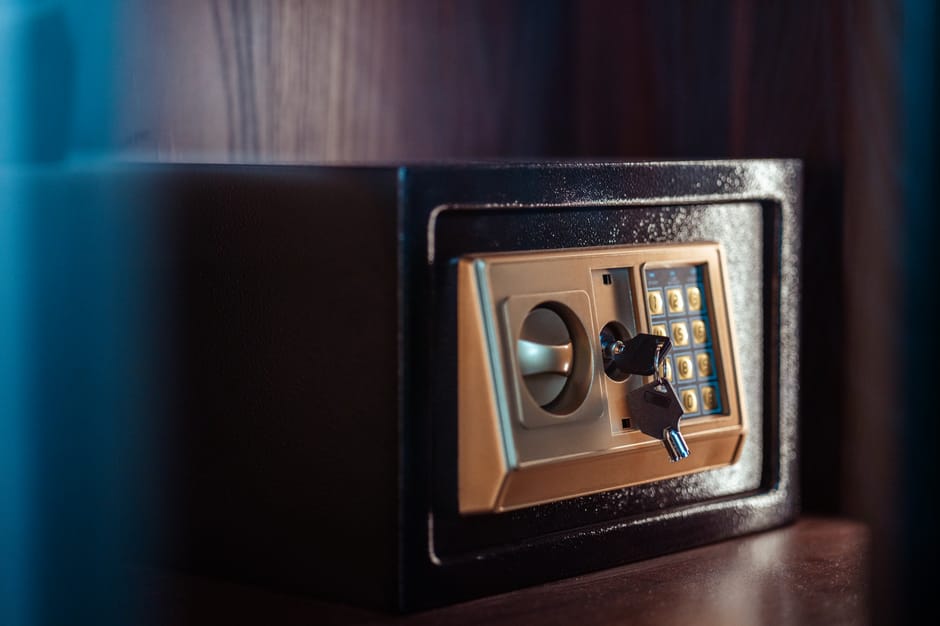
How to Create a Metal Backup
Buy a metal backup device that uses stamping or engraving, not stickers or adhesive labels. Stickers peel off over time.
- Write your seed phrase on paper first and verify it by restoring your wallet on a separate device.
- Stamp or engrave each word in order on the metal plate. Double-check spelling.
- Store the metal backup in a fireproof safe or safety deposit box.
- Never photograph the completed backup or store it near any camera or internet-connected device.
How to Store Crypto Seed Phrase Safely: Location Strategy
The best backup material is useless if you store it in the wrong place. You need a location that’s secure from theft, protected from disasters, and accessible to your family if you die.
Home safes work for most people. A fireproof and waterproof home safe rated for at least one hour at 1,700°F protects your backup from house fires and floods. Bolt the safe to the floor or wall so thieves can’t carry it away. Expect to spend $150 to $500 for a quality safe.
The downside: if your house burns down completely or you face a home invasion, your backup could be lost or stolen. Home safes also don’t solve the inheritance problem. If your family doesn’t know the safe combination, your crypto is gone.
Safety deposit boxes add a second layer of protection. Banks store safety deposit boxes in vaults designed to survive fires, floods, and theft. You eliminate the risk of home disasters, but you introduce new risks: bank closures, legal freezes, and access delays. Your family will need a death certificate and legal authority to open the box after you die, which can take weeks or months.
Safety deposit boxes cost $20 to $200 per year depending on size and location. Use them if you hold more than $50,000 in crypto or if you live in a high-risk area for natural disasters.
Geographic distribution reduces single points of failure. Store one backup at home and a second backup at a trusted family member’s house or in a safety deposit box in another city. If one location is compromised, you still have access through the other.
Never store both backups in the same building or within the same disaster zone. If you live in a flood-prone area, don’t put your second backup in a nearby storage unit that will flood at the same time.
For more on how families struggle to access crypto after a death, see what your family will face if you don’t plan for your digital legacy.

Advanced Strategy: Split Your Seed Phrase
Splitting your seed phrase across multiple locations protects against both theft and loss. Instead of storing all 24 words in one place, you divide them into two or three parts and store each part separately.
Simple split: Write words 1 through 12 on one backup and words 13 through 24 on another. Store them in different locations. A thief who finds one backup can’t access your wallet without the other half.
The risk: if you lose one half, your crypto is gone forever. You must maintain access to both locations, which doubles your maintenance burden.
Shamir Secret Sharing (SSS) is more robust. SSS splits your seed phrase into multiple shares using cryptographic algorithms. You can configure it so that any 2 of 3 shares (or any 3 of 5 shares) can recover your wallet. Lose one share, and you still have access.
Wallets like Trezor Model T support SSS natively. The setup takes 20 to 30 minutes, and you’ll need multiple metal backups to store each share securely.
Use SSS if you hold more than $100,000 in crypto or if you’re concerned about coercion. Splitting your seed phrase across family members or trusted contacts means no single person can access your funds alone.
The trade-off: complexity. If your family doesn’t understand how to combine the shares after you die, your crypto is lost. You need clear instructions and a trusted executor who knows how the system works. Tools like seed phrase inheritance planning help bridge this gap.

Plan for Inheritance and Emergency Access
Most crypto holders focus on protecting their seed phrase from hackers and disasters, but they forget the third threat: their family can’t access it after they die. Your backup might survive you, but if no one knows where it is or how to use it, your crypto is lost forever.
Tell at least one person where your backup is stored. This doesn’t mean giving them your seed phrase. It means documenting the location of your safe, the combination, and the fact that a seed phrase is inside. Write this information in your will or in a separate letter of instruction.
If you use a safety deposit box, name a co-renter or leave clear instructions for your executor. Banks require legal documentation before granting access to a deceased person’s box, and the process can take 30 to 90 days.
Use a digital legacy vault for gated access. Services like Vesperly Vault let you store your seed phrase location, safe combination, and recovery instructions in an encrypted vault that your family can only access after legal verification of your death. You set the rules: who gets access, when, and under what conditions.
This solves the inheritance problem without exposing your seed phrase while you’re alive. Your family doesn’t need to know your safe combination today, but they’ll receive it automatically when they need it. Vesperly uses zero-knowledge encryption, so even the platform can’t read your information.
For families navigating this after a death, read crypto seed phrases after death: the #1 mistake most people make.
Document your wallet type, exchange accounts, and any multi-signature setups. Your family needs to know not just where the seed phrase is, but how to use it. Include screenshots, wallet names, and step-by-step recovery instructions.
Create a Recovery Document
Write a one-page document that explains:
- Where your seed phrase backup is stored (home safe, safety deposit box, etc.)
- How to access that location (safe combination, bank contact information)
- Which wallet software to download (Ledger Live, Trezor Suite, Electrum, etc.)
- How to restore the wallet using the seed phrase
- Who to contact for help (a trusted crypto-savvy friend or advisor)
Store this document separately from your seed phrase. Put it in your estate planning folder or upload it to a digital legacy service like Vesperly Vault. Update it whenever you change wallets or backup locations.
Protect Against Coercion and Physical Threats
Most seed phrase guides assume your biggest threat is a hacker halfway around the world. But if you hold significant crypto, physical threats matter too: home invasions, kidnapping, or coercion by someone who knows you own crypto.
Never tell strangers or acquaintances that you own crypto. Social media posts, public wallet addresses, and casual conversations can make you a target. Criminals monitor crypto communities and target individuals who reveal their holdings.
Use a duress wallet for plausible deniability. Set up a second wallet with a small amount of crypto (1% to 5% of your holdings) and keep that seed phrase in an easier-to-find location. If someone forces you to hand over your crypto, you give them the duress wallet. They think they got everything, and your main holdings stay safe.
This strategy works best with hardware wallets that support multiple passphrases. Your main wallet uses a strong passphrase, and your duress wallet uses a weak or no passphrase. Under coercion, you reveal only the duress wallet.
Avoid storing your seed phrase in obvious locations. Bedroom drawers, desk organizers, and home offices are the first places burglars check. If you use a home safe, bolt it down and place it in a less obvious room like a basement utility closet.
For high-net-worth individuals, consider multisig wallets that require two or three separate keys to move funds. Even if someone steals one seed phrase, they can’t access your crypto without the other keys, which you store in different locations or with different people.
Step-by-Step: How to Store Your Seed Phrase Safely
Here’s the complete process, from generating your seed phrase to ensuring your family can recover it.
1. Generate Your Seed Phrase Offline
Use a hardware wallet like Ledger, Trezor, or Coldcard to generate your seed phrase. Never use a software wallet on an internet-connected computer for long-term storage. Hardware wallets generate seed phrases in a secure chip that never exposes your private keys to the internet.
2. Write It Down Immediately
Write your seed phrase on paper or stamp it into metal as soon as it’s generated. Use the backup card included with your hardware wallet or buy a dedicated metal backup device. Write clearly and double-check every word.
3. Verify the Backup
Wipe your hardware wallet and restore it using the seed phrase you just wrote down. This confirms you recorded it correctly. If the wallet doesn’t restore, you made a mistake. Fix it now, not years later when you need it.
4. Choose Your Storage Location
Pick one or two locations based on your threat model:
- Under $10,000: fireproof home safe
- $10,000 to $50,000: home safe plus a second backup at a trusted family member’s house
- Over $50,000: home safe plus safety deposit box, or use Shamir Secret Sharing with three geographically distributed shares
5. Document the Location for Your Family
Write a recovery document that explains where your backup is stored and how to use it. Store this document in your estate planning folder or in a digital legacy vault like Vesperly Vault. Update it whenever you move your backup or change wallets.
6. Test Your Backup Annually
Check your backup once a year to make sure it’s still readable and stored securely. If you used paper, inspect it for fading or water damage. If you used metal, verify it hasn’t corroded or been tampered with. This five-minute check can save you from discovering a problem when it’s too late.
Frequently Asked Questions
What is the safest way to store a crypto seed phrase?
The safest way to store a crypto seed phrase is to stamp or engrave it on a stainless steel or titanium backup, then store that backup in a fireproof safe or safety deposit box. This protects against both digital theft and physical disasters like fire and flooding. For added security, split your seed phrase across two locations or use Shamir Secret Sharing so no single backup is a point of failure.
Should I keep my seed phrase on paper or metal?
Metal is safer for long-term storage because it survives fire, water, and corrosion, while paper degrades over time and burns easily. Paper works as a temporary solution or for small amounts of crypto, but if you hold more than $10,000 or plan to store your seed phrase for years, invest in a metal backup that can withstand temperatures up to 2,500°F.
Is it safe to store a seed phrase in a password manager?
No, storing a seed phrase in a password manager introduces digital risk. Password managers are connected to the internet and can be compromised through phishing, malware, or data breaches. Your seed phrase should never exist in any digital format, including password managers, cloud storage, or encrypted files on your computer. The only exception is a zero-knowledge encrypted vault designed specifically for seed phrase inheritance, like Vesperly Vault, which uses legal-gated access to protect your information even from the platform itself.
Where should I hide my seed phrase at home?
Store your seed phrase in a fireproof and waterproof safe bolted to the floor or wall in a less obvious location like a basement utility closet or garage workshop. Avoid hiding it in bedroom drawers, desks, or home offices, which are the first places burglars check. Never hide it loose in your home without a safe, as it won’t survive a fire or flood.
Can I store my seed phrase in the cloud?
No, you should never store your seed phrase in cloud storage like Google Drive, iCloud, Dropbox, or any other internet-connected service. Cloud accounts are vulnerable to hacking, phishing, and data breaches, and many cloud providers can access your files. Even encrypted cloud files can be compromised if your encryption key or password is weak. Always store your seed phrase offline on paper or metal.
How do I make sure my family can access my crypto seed phrase after I die?
Document the location of your seed phrase backup and store that information in your will, a letter of instruction, or a digital legacy vault like Vesperly Vault. Include the safe combination, bank contact information for safety deposit boxes, and step-by-step instructions for restoring your wallet. Your family needs to know not just where the seed phrase is, but how to use it. Without this documentation, your crypto will be lost even if your backup survives.
How often should I check my seed phrase backup?
Check your seed phrase backup at least once a year to verify it’s still readable and stored securely. Inspect paper backups for fading, water damage, or mold, and check metal backups for corrosion or tampering. This annual review takes less than five minutes and ensures your backup will work when you need it. If you move or change storage locations, update your recovery document immediately.
Ready to Get Started?
Storing your seed phrase safely protects your crypto from hackers, disasters, and loss. But the hardest part isn’t securing it today. It’s making sure your family can access it tomorrow.
You can stamp your seed phrase on metal, lock it in a safe, and sleep better knowing it’s protected. But if your family doesn’t know where it is or how to use it, your planning stops halfway. Most crypto holders solve the security problem but ignore the inheritance problem, and that’s where families lose millions.
Vesperly Vault solves both. Store your seed phrase location, safe combination, and recovery instructions in a zero-knowledge encrypted vault that only your family can access after legal verification of your death. You control who gets access and when, and even Vesperly can’t read your information.
Your crypto is secure. Your family is protected. And you’ve solved the one problem most holders never plan for.
Start securing your digital legacy today at vesperly.com.